
9 Things to Consider Before Your Hair Transplant Surgery
Hair loss can be a distressing experience, affecting not just your appearance but also your confidence and self-esteem. If you're considering hair restoration, you're taking an important step toward regaining your natural look. However, before you commit to the procedure, it's essential to do your homework. Here are nine crucial factors to consider before undergoing hair restoration.
1. Understanding Your Hair Loss Pattern
Before jumping into any treatment, it's vital to understand why you're losing hair in the first place. Hair loss can result from genetics, hormonal changes, medical conditions, stress, or nutritional deficiencies. A thorough consultation with a qualified specialist will help identify the root cause and determine whether you're a suitable candidate for hair restoration. Some types of hair loss respond better to medical treatments rather than surgical intervention.
2. Choosing the Right Technique
Hair restoration isn't one-size-fits-all. The two primary surgical methods are Follicular Unit Transplantation (FUT) and Follicular Unit Extraction (FUE). FUT involves removing a strip of scalp from the donor area, while FUE extracts individual follicles. Each technique has its advantages and considerations regarding scarring, recovery time, and natural-looking results. Research both methods and discuss with your doctor which approach suits your specific needs and lifestyle.
3. Evaluating the Surgeon's Credentials
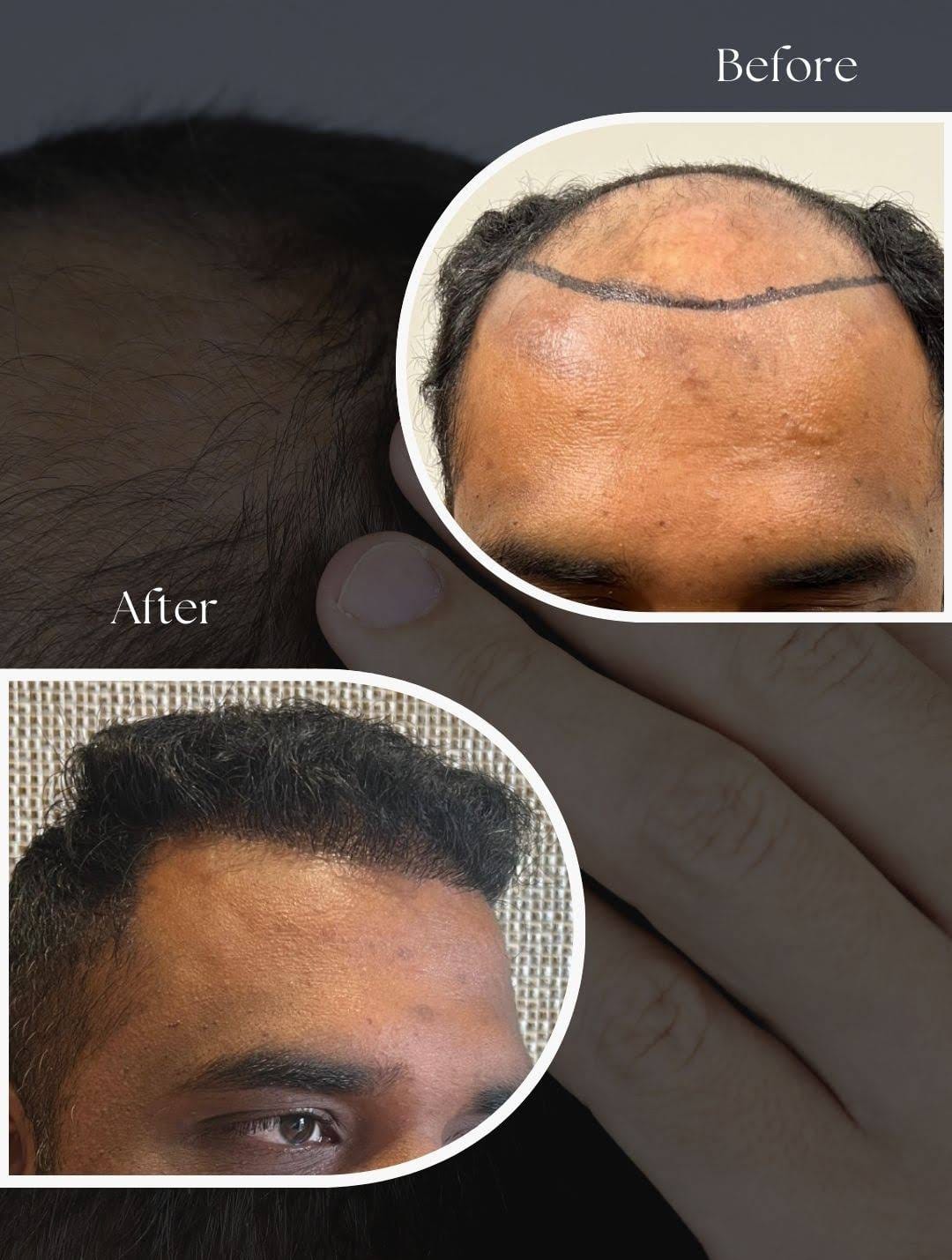
The success of your hair restoration heavily depends on the skill and experience of your surgeon. Look for a board-certified surgeon who specializes in hair restoration and has a proven track record. Don't hesitate to ask about their training, years of experience, and the number of procedures they've performed. Request to see before-and-after photos of previous patients to assess the quality of their work.
4. Setting Realistic Expectations
While modern hair restoration techniques can produce remarkable results, it's important to have realistic expectations. Hair transplants won't give you the same density you had as a teenager, and results vary based on factors like hair quality, donor area availability, and the extent of hair loss. A good surgeon will be honest about what can be achieved and won't make unrealistic promises.
5. Considering the Recovery Process
Hair restoration is a surgical procedure that requires downtime. The recovery period varies depending on the technique used, but you should expect some swelling, redness, and discomfort in the days following the procedure. Most people can return to work within a week, but strenuous activities should be avoided for a few weeks. Understanding the recovery timeline will help you plan accordingly and avoid complications.
6. Assessing Long-Term Maintenance
Hair restoration isn't a one-time fix that guarantees a full head of hair forever. You may need additional sessions to achieve your desired density, and you'll likely need to continue hair loss prevention treatments to maintain your results. Medications like minoxidil or finasteride might be recommended to prevent further hair loss in non-transplanted areas. Factor in these ongoing commitments when making your decision.
7. Understanding the Risks and Complications
Like any surgical procedure, hair restoration comes with potential risks. These can include infection, scarring, unnatural-looking results, shock loss (temporary shedding of existing hair), and bleeding. While complications are rare with experienced surgeons, it's important to be fully informed about what could go wrong and how such issues would be addressed.
8. Considering Alternatives
Hair transplant surgery isn't your only option. Depending on your situation, alternatives like platelet-rich plasma (PRP) therapy, low-level laser therapy, medications, or even embracing your hair loss might be worth considering. Explore all available options with your doctor before committing to surgery, as less invasive treatments might be more appropriate for your circumstances.
9. Financial Planning
Hair restoration can be a significant financial investment. Costs vary widely based on the technique used, the number of grafts needed, the surgeon's expertise, and geographic location. Most insurance plans don't cover cosmetic procedures like hair transplants, so you'll need to pay out of pocket. Make sure you understand the total cost upfront, including any follow-up treatments or medications, and ensure it fits comfortably within your budget.
Conclusion
Deciding to undergo hair restoration is a personal journey that requires careful consideration and research. By thoroughly evaluating these ten factors, you'll be better equipped to make an informed decision that aligns with your goals and expectations. Remember that the key to successful hair restoration lies not just in the procedure itself, but in choosing the right surgeon and clinic who prioritize your safety and satisfaction. Are you looking for the best hair transplant clinic in Goa? Look no further, Livom Clinic boasts hundreds of successful hair transplants with one of the highest success rates in Goa.
If you're wondering about hair transplant cost in Goa, you'll be pleased to know that Livom Clinic provides competitive rates while maintaining exceptional standards throughout the entire process. The cost of hair transplants in Goa can vary significantly based on the skill level and experience of the clinic's medical professionals.