
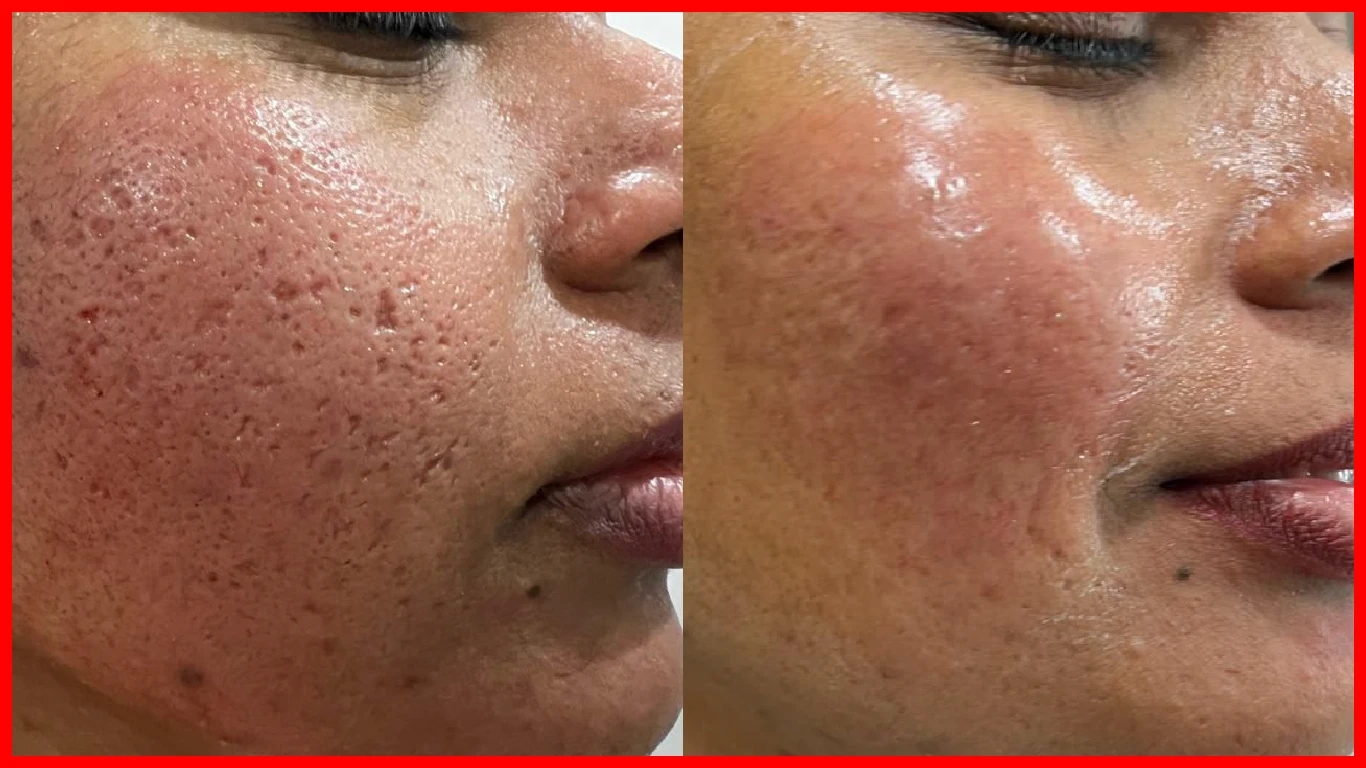
CO2 Fractional Laser for Scar Resurfacing: What You Need to Know
Scars have a way of outlasting the moment that caused them. Whether it's acne that cleared up years ago, a surgical mark, or an old injury, scar tissue can sit on the skin as a lasting reminder — one that affects how confident you feel every time you look in the mirror.
At Livom Clinic in Panaji, Goa, we treat scars using CO2 Fractional Laser Resurfacing — a technology that has become one of the most trusted options in modern dermatology and aesthetic medicine. In this article, we'll walk you through how it works, what it treats, what the recovery looks like, and how to know if it's right for you.
What Is CO2 Fractional Laser Resurfacing?
CO2 fractional laser treatment uses focused beams of light to create thousands of microscopic treatment zones across the surface of the skin. Unlike older "fully ablative" lasers that treated the entire skin surface at once, fractional lasers only treat a fraction of the skin in each session — leaving the surrounding tissue untouched.
This targeted approach does two things:
It removes damaged, uneven, or scarred skin layer by layer.
It triggers the body's natural wound-healing response, prompting new collagen and elastin production underneath the surface.
The result is skin that rebuilds itself smoother, tighter, and more even in tone and texture — from the inside out.
What Types of Scars Can It Treat?
CO2 fractional laser resurfacing is versatile and works well on several types of scarring, including:
Acne scars — including atrophic (pitted) and boxcar-type scars
Surgical scars — from past procedures, C-sections, or injuries
Post-injury scars — from cuts, burns, or accidents
Textural irregularities — uneven skin, enlarged pores, and fine lines that often accompany scarring
It's particularly effective for scars that have a textured or indented appearance, since the resurfacing process helps "fill in" and smooth out the skin's surface over time.
How the Treatment Works
A typical CO2 fractional laser session at Livom Clinic involves:
Consultation and skin assessment — We evaluate your scar type, skin tone, and medical history to determine if you're a good candidate and to set realistic expectations.
Topical numbing — A numbing cream is applied to keep you comfortable throughout the session.
Laser treatment — The laser is passed over the treatment area, with settings adjusted based on scar depth and skin sensitivity.
Aftercare guidance — You'll be given instructions on how to care for your skin during the healing process.
Sessions usually take between 30 minutes to an hour, depending on the size of the area being treated.
What Does Recovery Look Like?
One of the biggest advantages of fractional (versus fully ablative) treatment is a shorter, more manageable recovery period.
Days 1–3: Skin may appear red and feel similar to a sunburn, with mild swelling in some cases.
Days 3–7: Skin begins to flake and peel as new skin forms underneath.
Weeks 2–4: Redness fades, and skin texture starts to visibly improve.
Months 1–6: Collagen continues rebuilding beneath the surface, with results gradually improving over time.
Most patients can return to normal activities within a week, though we always recommend sun protection and gentle skincare during the healing period.
How Many Sessions Will You Need?
This depends on the depth and type of scarring. Many patients see noticeable improvement after a single session, but for deeper or older scars, a series of 3–4 sessions spaced several weeks apart often delivers the best results. During your consultation, our team will recommend a treatment plan tailored to your specific skin and scarring.
Why Patients Choose CO2 Fractional Laser at Livom Clinic
Precision technology for controlled, predictable results
Shorter downtime compared to older resurfacing methods
Long-lasting results as new collagen continues to build for months after treatment
Experienced clinical team trained in aesthetic laser procedures
Personalized treatment plans based on your skin type and scar history
Is CO2 Fractional Laser Right for You?
CO2 fractional laser resurfacing works well for most skin types, but the right treatment plan depends on factors like your scar depth, skin tone, and overall skin health. It's not typically recommended during active breakouts, certain skin conditions, or pregnancy — which is why a proper consultation is an essential first step.
Book a Consultation
If scars have been affecting your confidence, it may be time to explore a treatment that's backed by both science and results. Our team at Livom Clinic is here to assess your skin and guide you toward the best path forward.
Get in touch with us today to schedule your consultation and take the first step toward smoother, renewed skin.