
Root Canal Treatment in Goa: Complete Guide to Procedure, Duration, and Recovery Time
Root Canal Treatment in Goa: Complete Guide to Procedure, Duration, and Recovery Time
Understanding Root Canal Treatment: Everything You Need to Know
If your dentist in Panaji has recommended a root canal treatment, you're probably wondering what to expect. Despite its intimidating reputation, modern root canal therapy is a routine, nearly painless procedure that can save your natural tooth and relieve severe dental pain. At Livom Clinic in Panjim, we understand that patients want to be fully informed before undergoing any dental procedure. This comprehensive guide covers everything from treatment duration to the healing process, helping you feel prepared and informed about root canal treatment in Goa.
What is Root Canal Treatment?
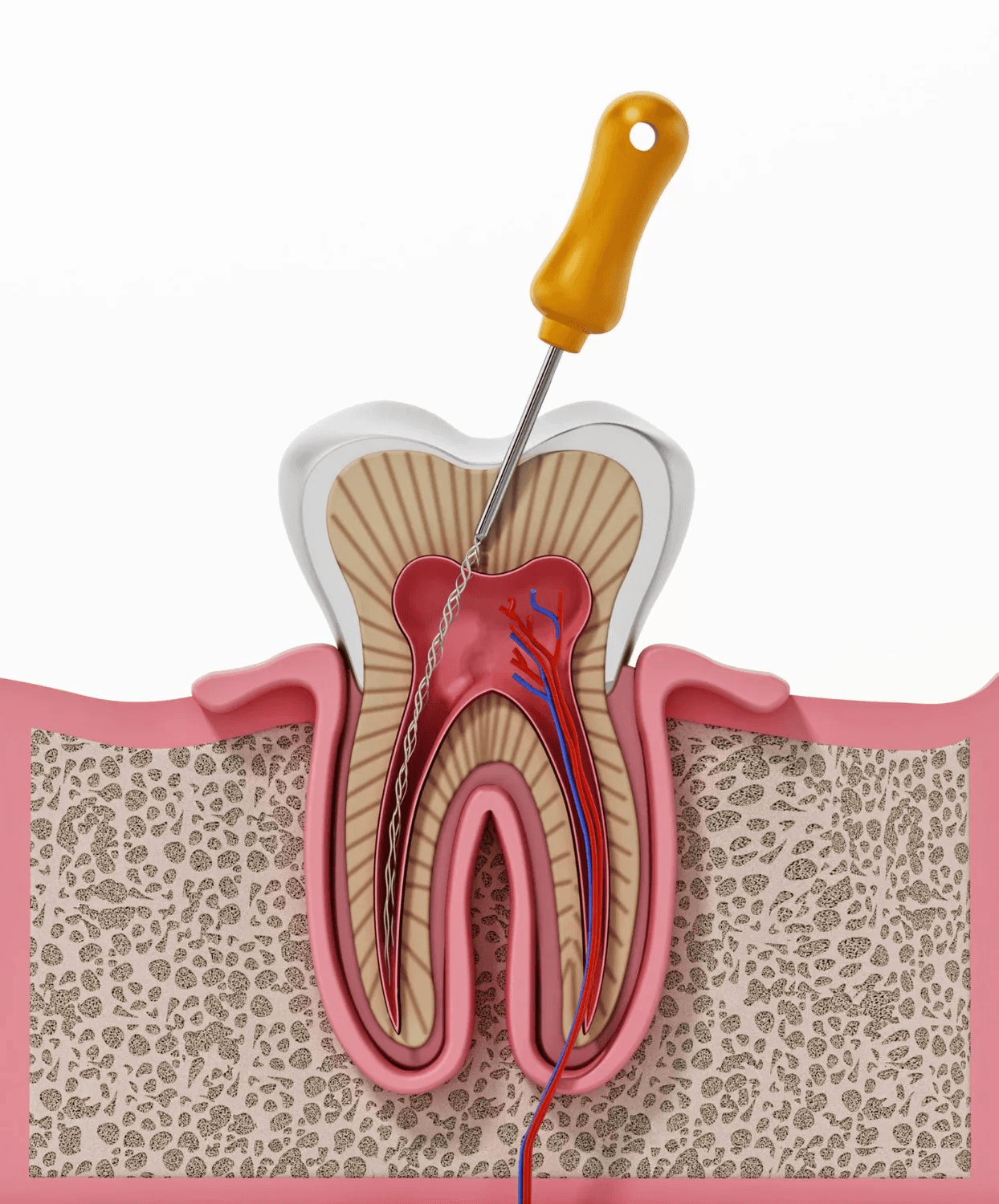
Root canal treatment, also called endodontic therapy, is a dental procedure that removes infected or damaged pulp from inside your tooth. The pulp contains nerves, blood vessels, and connective tissue that were essential when your tooth was developing, but once your tooth is fully mature, it can survive without the pulp.
When the pulp becomes infected due to deep decay, cracks, or trauma, it can cause severe pain and potentially lead to abscesses. A root canal removes this infected tissue, cleans and disinfects the inner chambers of your tooth, and seals it to prevent future infection.
How Long Does a Root Canal Treatment Take?
One of the most common questions patients ask is: "How long will my root canal appointment take?" The answer depends on several factors, but here's what you can typically expect.
Average Treatment Duration
Most root canal procedures are completed in a single appointment lasting between 60 to 90 minutes. However, the exact duration varies based on:
Tooth Location:
Front teeth (incisors and canines): 30-45 minutes
Premolars: 45-60 minutes
Molars: 60-90 minutes or longer
Number of Canals:
Single canal: 30-60 minutes
Multiple canals (molars can have 3-4 canals): 90+ minutes
Case Complexity:
Straightforward cases: One 60-90 minute appointment
Complex cases (curved roots, calcified canals, previous treatment): May require 2 appointments of 60-90 minutes each
Presence of infection or abscess: Might need multiple visits
Single Visit vs. Multiple Appointments
Modern dentistry has made single-visit root canals increasingly common. At Livom Clinic in Panjim, Goa, most patients can have their entire procedure completed in one appointment. However, your dentist might recommend two visits if:
There's an active infection that needs time to clear
The case is particularly complex
You need additional time between appointments for comfort
Scheduling constraints make a shorter first appointment preferable
When two appointments are needed, the first visit (60-90 minutes) involves cleaning and medicating the canals, while the second visit (30-45 minutes) focuses on final filling and sealing.
Root Canal Treatment Process: Step-by-Step Guide
Understanding what happens during your root canal can help ease anxiety and prepare you for the procedure. Here's a detailed breakdown of each step.
Step 1: Examination and X-Rays (10-15 minutes)
Before beginning treatment, your dentist will take X-rays to examine the shape of your root canals and check for signs of infection in the surrounding bone. This imaging helps plan the procedure and identify any potential complications.
Step 2: Anesthesia and Isolation (10-15 minutes)
Local anesthesia is administered to numb the affected tooth and surrounding area completely. You'll feel a small pinch from the injection, but within minutes, the area will be completely numb. Many patients report feeling no pain during the actual procedure.
Once numb, your dentist places a rubber dam (a small sheet of rubber) around the tooth to keep it dry and isolated from saliva during treatment.
Step 3: Accessing the Pulp Chamber (5-10 minutes)
A small opening is created in the crown of the tooth to access the pulp chamber. For front teeth, this opening is made on the back surface. For molars, it's made on the chewing surface.
Step 4: Removing Infected Pulp (20-30 minutes)
Using specialized instruments called endodontic files, your dentist carefully removes the diseased pulp tissue from the pulp chamber and root canals. The canals are cleaned thoroughly to remove all bacteria and debris.
Step 5: Shaping and Disinfecting the Canals (15-25 minutes)
The canals are shaped to prepare them for filling, and the area is repeatedly flushed with antimicrobial solutions to eliminate any remaining bacteria. This is one of the most critical steps for ensuring long-term success.
Step 6: Filling the Canals (10-20 minutes)
Once completely clean and dry, the canals are filled with a biocompatible rubber-like material called gutta-percha. This material is sealed in place with adhesive cement to prevent future bacterial contamination.
Step 7: Temporary or Permanent Restoration (10-15 minutes)
Finally, the access opening is sealed with either a temporary filling (if you need a second appointment) or a permanent filling. In many cases, you'll need to return for a permanent crown to fully protect and restore the tooth.
What is the Healing Time for Root Canal Treatment?
Recovery from a root canal is typically quick and straightforward, especially compared to the pain of an infected tooth.
Immediate Recovery (Same Day)
Most patients can return to normal activities immediately after their appointment. You may experience:
Numbness for 2-4 hours after the procedure
Mild sensitivity or tenderness when the anesthesia wears off
Slight discomfort when biting down on the treated tooth
Short-Term Healing (2-7 Days)
Days 1-3: The first few days after treatment, you might experience mild to moderate discomfort as the tissues around your tooth heal. This is normal and can be managed with:
Over-the-counter pain relievers (ibuprofen or acetaminophen)
Avoiding chewing on the treated tooth
Eating soft foods
Maintaining gentle oral hygiene
Days 4-7: Most discomfort should significantly decrease or disappear entirely. You can gradually return to normal eating habits, though you should still be cautious with hard or sticky foods until you receive your permanent crown.
Complete Healing Timeline
2 Weeks: The soft tissues around your tooth should be fully healed. Any inflammation or tenderness should be completely resolved.
4-6 Weeks: The bone and surrounding tissues continue to heal. You may still notice occasional sensitivity, but this should be minimal and decreasing.
3-6 Months: Complete healing of the bone and tissues around the tooth root. By this time, your tooth should feel completely normal.
When to Be Concerned
Contact your dentist if you experience:
Severe pain that doesn't respond to over-the-counter medication
Visible swelling inside or outside your mouth
Allergic reaction to medication
The temporary filling falls out before your next appointment
Your bite feels uneven after several days
Signs You Might Need a Root Canal
Recognizing the symptoms of pulp infection early can help you get treatment before the problem worsens. Common signs include:
Severe toothache when chewing or applying pressure
Prolonged sensitivity to hot or cold temperatures (lasting after the stimulus is removed)
Tooth discoloration or darkening
Swelling and tenderness in nearby gums
A persistent or recurring pimple-like bump on the gums (fistula)
Facial swelling
Some teeth requiring root canal therapy may have no symptoms at all, which is why regular dental checkups are essential for catching problems early.
Root Canal Success Rate and Long-Term Outcomes
Root canal treatment has an impressive success rate of over 95% when performed properly. With good oral hygiene and regular dental care, a tooth that has had root canal treatment can last a lifetime.
Factors That Improve Success
Early treatment before extensive damage occurs
Proper sealing and restoration with a crown
Good oral hygiene practices
Regular dental checkups
Avoiding trauma to the treated tooth
What Happens After Your Root Canal
Most teeth that have undergone root canal treatment will need a crown for protection and full restoration. Your dentist will typically:
Place a temporary filling immediately after the root canal
Schedule a follow-up appointment in 2-4 weeks
Prepare the tooth for a crown and take impressions
Place a temporary crown while your permanent crown is made
Cement the permanent crown in a final appointment
Root Canal vs. Tooth Extraction: Why Save Your Natural Tooth?
Some patients wonder if extraction might be simpler than root canal treatment. However, saving your natural tooth offers significant advantages:
Benefits of Root Canal Treatment:
Maintains your natural smile and appearance
Preserves normal biting force and sensation
Protects other teeth from excessive wear
Prevents jawbone deterioration
More cost-effective long-term (extraction plus implant or bridge costs more)
When Extraction Might Be Necessary:
Severe tooth fracture below the gum line
Insufficient tooth structure remaining
Advanced periodontal disease
Vertical root fracture
Your dentist will help you determine the best option for your specific situation.
Choosing the Right Dental Clinic in Goa for Your Root Canal
When it comes to root canal treatment, choosing an experienced dental clinic is crucial for successful outcomes. If you're searching for root canal treatment in Panaji or anywhere in Goa, consider these factors:
What to Look For:
Experienced endodontists or general dentists trained in advanced endodontics
Modern equipment including digital X-rays and rotary endodontic instruments
Positive patient reviews and testimonials
Clear communication about procedures and costs
Comfortable, hygienic environment
Convenient location in Panjim or nearby areas
At Livom Clinic, we combine advanced technology with compassionate care to ensure our Goa patients receive the highest quality root canal treatment. Our team stays updated with the latest endodontic techniques to provide efficient, comfortable procedures.
Cost Considerations for Root Canal Treatment in Goa
While costs vary by location and tooth complexity, root canal treatment in Panaji and across Goa is generally more affordable than extraction followed by tooth replacement options like dental implants or bridges.
Factors affecting cost include:
Which tooth needs treatment (molars cost more than front teeth)
Whether you see a general dentist or endodontist
Your geographic location
Your dental insurance coverage
Whether you need a crown after treatment
Many dental offices offer payment plans to make treatment more accessible. Dental insurance typically covers 50-80% of root canal treatment costs.
Tips for a Smooth Root Canal Recovery
At Livom Clinic, we provide our Panjim patients with comprehensive aftercare instructions to ensure optimal healing. Follow these recommendations:
Before Your Appointment:
Eat a good meal (you'll be numb for several hours after)
Take any prescribed antibiotics as directed
Arrange transportation if you're anxious and want sedation
After Your Procedure:
Wait until numbness wears off before eating to avoid biting your cheek or tongue
Take pain medication as recommended, ideally before the anesthesia wears off
Apply ice packs to the outside of your face for 15 minutes at a time to reduce swelling
Eat soft foods for the first few days
Brush and floss gently around the treated tooth
Avoid chewing on the treated side until you have a permanent restoration
Keep your follow-up appointments
Frequently Asked Questions About Root Canal Treatment
Is root canal treatment painful? Modern root canal treatment is no more uncomfortable than getting a filling. At Livom Clinic in Goa, the procedure is performed under local anesthesia, so you shouldn't feel pain during treatment. Any post-treatment discomfort is typically mild and manageable with over-the-counter pain relievers.
Can I drive after a root canal? Yes, if you've only had local anesthesia. However, if you've received sedation, you'll need someone to drive you home.
How long will my root canal last? With proper care and a quality restoration (crown), a root canal-treated tooth can last a lifetime. Studies show success rates of 85-97% at 8-10 years.
Can I eat after a root canal? Wait until the numbness wears off to avoid accidentally biting your tongue or cheek. Then stick to soft foods for the first day or two.
Will I need antibiotics? Not always. Your dentist will prescribe antibiotics if there's an active infection or abscess, but many root canals don't require them.
Conclusion: Root Canal Treatment is a Tooth-Saving Procedure
Root canal treatment has come a long way from its reputation as a painful procedure. Today's advanced techniques, anesthesia, and technology make it a routine, comfortable treatment that can save your natural tooth and eliminate pain from infection.
Most procedures take 60-90 minutes and are completed in a single visit, with recovery time of just a few days for any minor discomfort. Complete healing occurs within a few months, and with proper care, your treated tooth can last a lifetime.
If you're experiencing tooth pain or your dentist has recommended root canal treatment, don't delay. Early intervention makes the procedure easier, improves success rates, and helps you get back to pain-free living quickly.
Looking for root canal treatment in Goa? Livom Clinic in Panjim offers advanced endodontic care with experienced professionals who prioritize your comfort. Contact our Panaji office today to schedule your root canal consultation and discuss your symptoms and treatment options. Our experienced team uses the latest technology to ensure your comfort and the best possible outcomes for patients throughout Goa.
Meta Description: Root canal treatment in Goa at Livom Clinic, Panjim: Complete guide covering procedure duration (60-90 min), step-by-step process, healing time (2-7 days), and recovery tips for Panaji patients.
Target Keywords: root canal treatment, root canal treatment in Goa, root canal in Panaji, root canal in Panjim, Livom Clinic, how long does root canal take, root canal healing time, root canal process, root canal procedure, root canal recovery, endodontic therapy, dentist in Panaji, dental clinic Goa